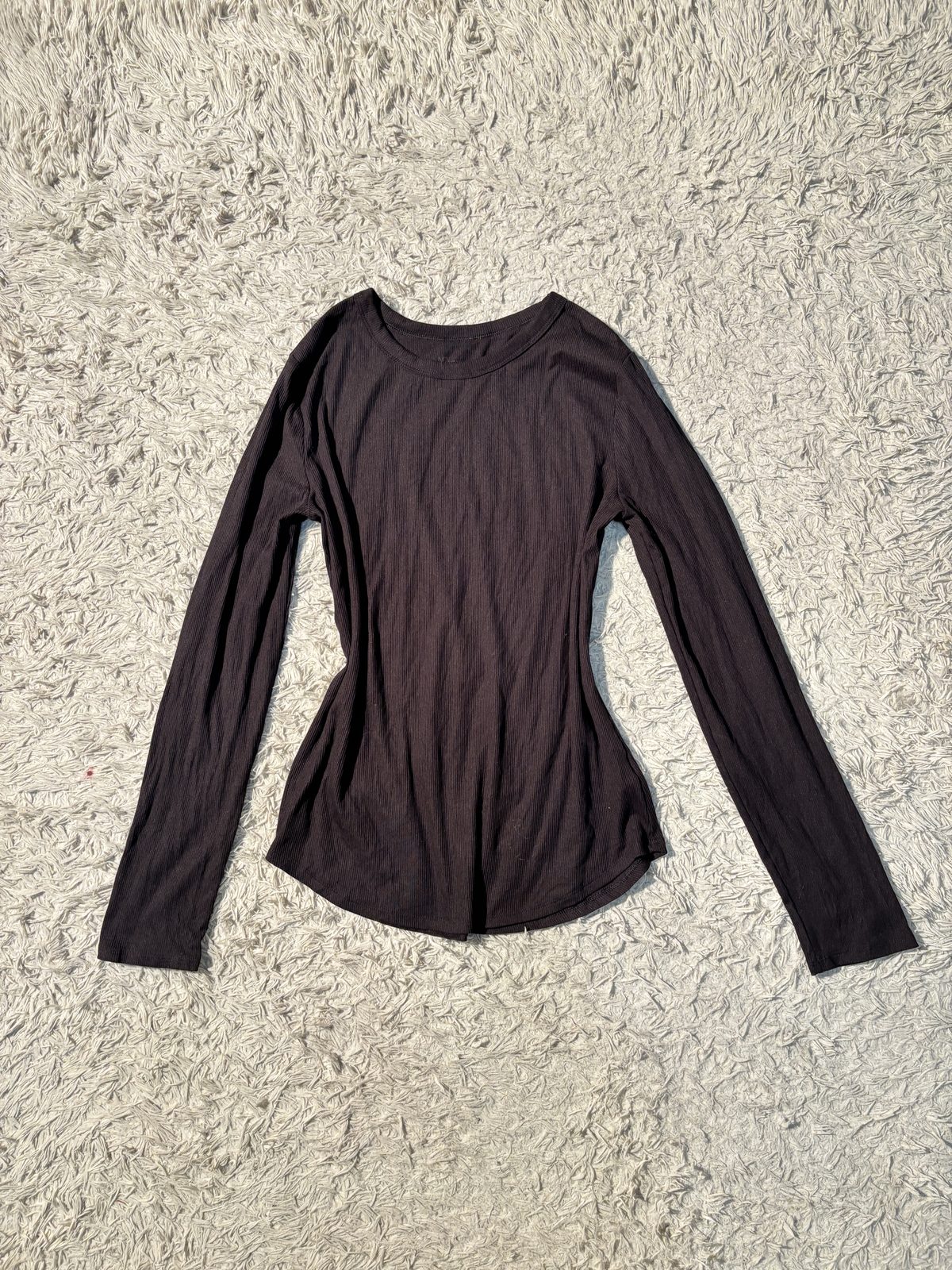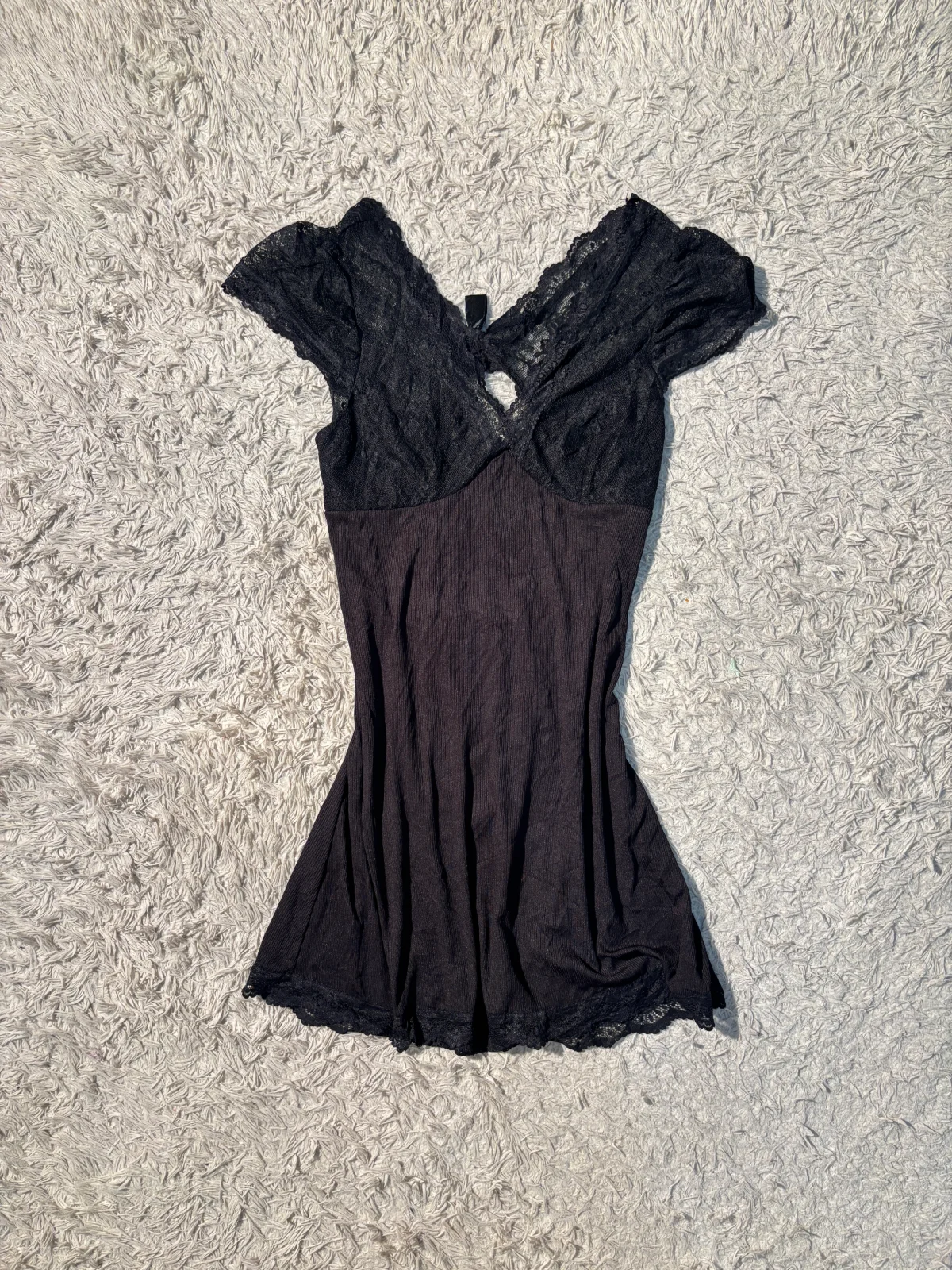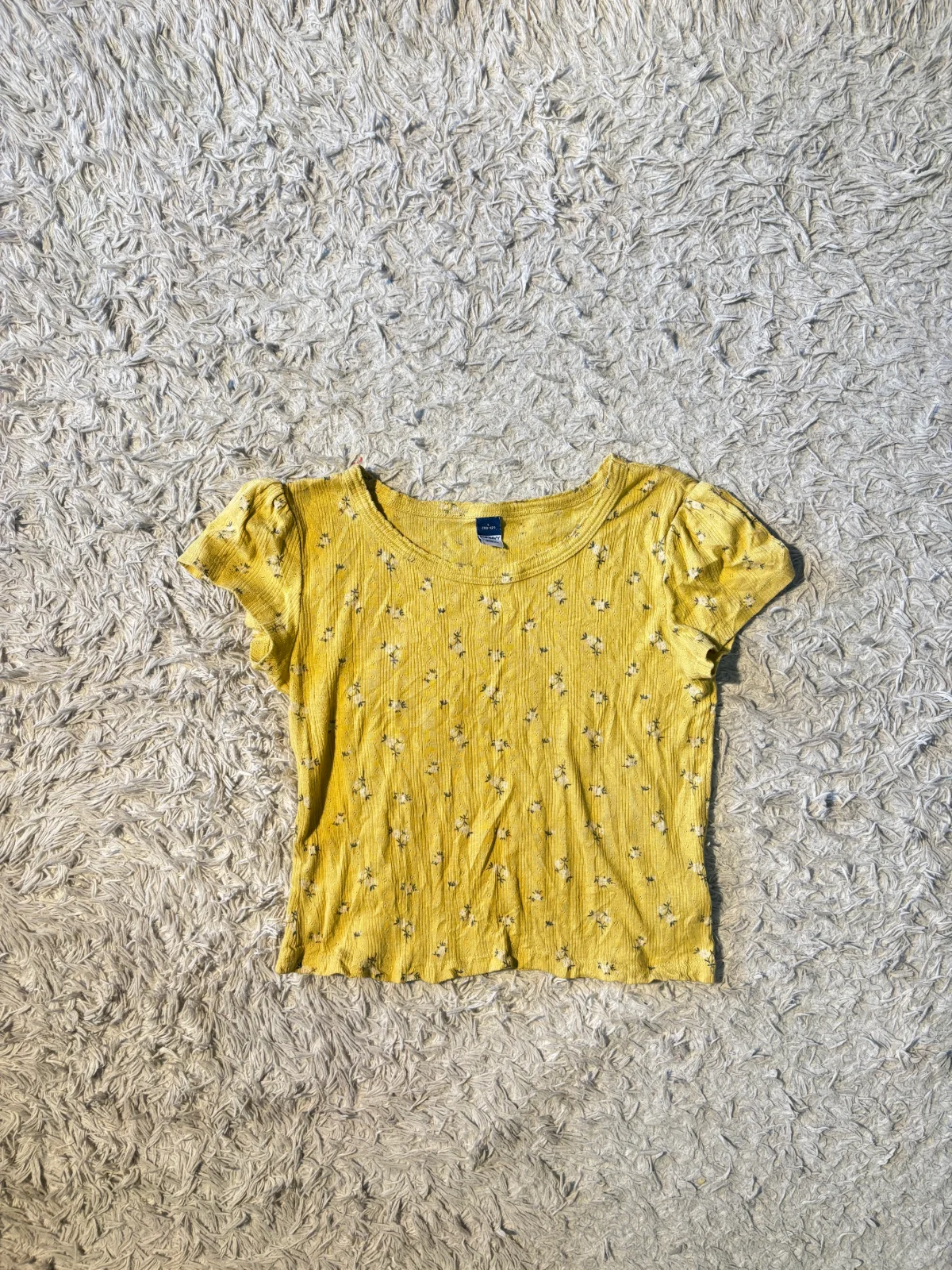
How to Care for Pre-Loved Knitwear and Tops So They Last
Washing, drying, de-pilling and storing tips to keep your secondhand knitwear and tops looking new for years — a simple care guide for pre-loved clothing.
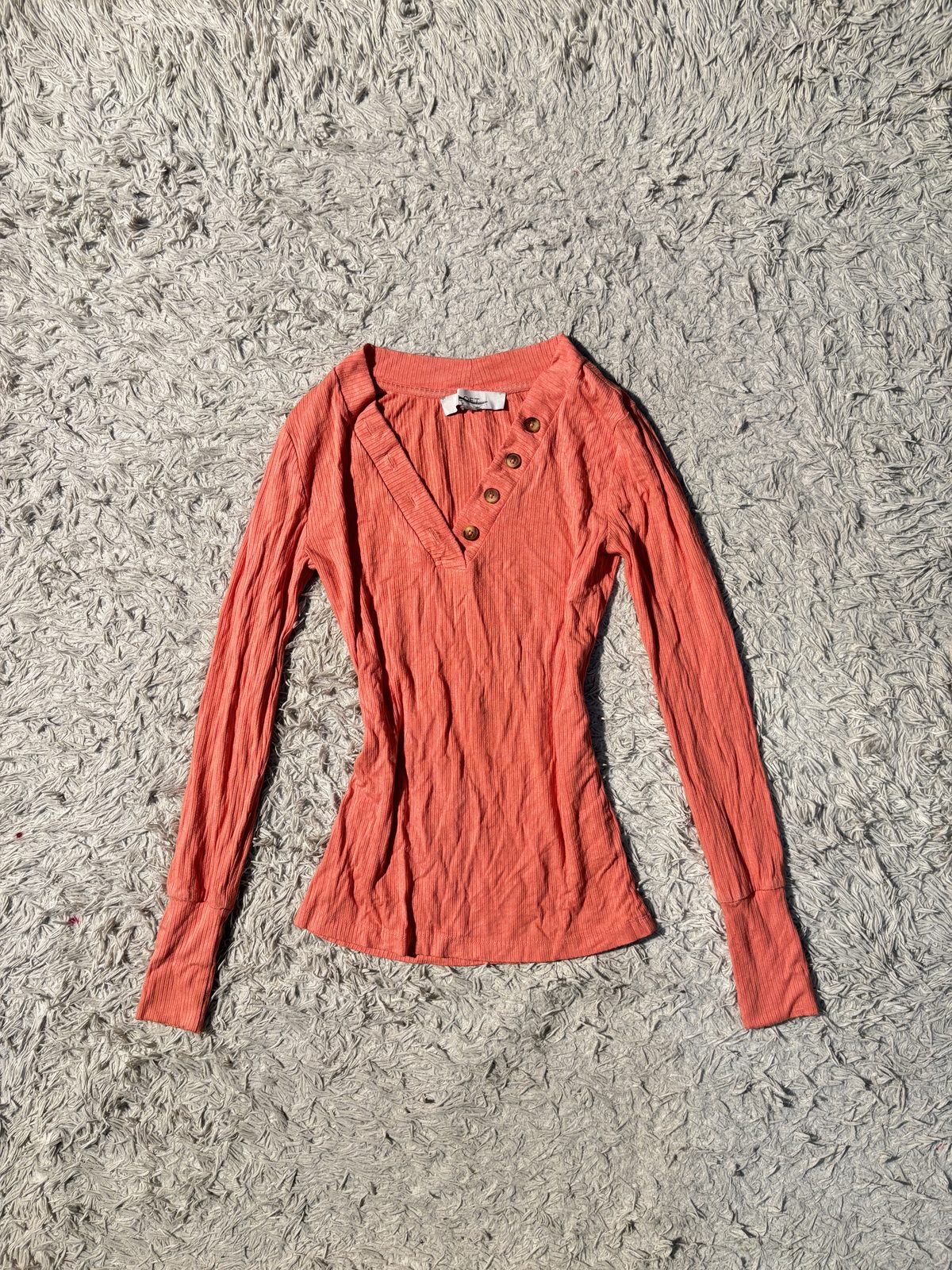
On this page
- Wash less than you think
- Dry flat, never hot
- De-pill gently to refresh knits
- Store it the right way
- Repair, don’t replace
- A simple wash-day routine
- Fixing three common problems
- Store it well between seasons
- A quick fabric-by-fabric guide
- Frequently asked questions
- How do I get rid of pilling on a knit top?
- Can I machine-wash secondhand knitwear?
- How do I keep colours from fading?
Pre-loved knitwear and tops can look brand new for years — if you treat them right. A few simple habits protect the fabric, prevent pilling and keep colours rich. Here’s exactly how to care for secondhand clothes so every piece earns its place for the long run.
Quick answer: wash less and cooler, always turn knits inside out, dry them flat away from heat, de-pill gently, and fold (don’t hang) anything heavy. That’s 90% of it.
Wash less than you think
The single biggest favour you can do any garment is to wash it less often. Every wash stresses the fibres and fades colour. Air your tops overnight between wears and spot-clean small marks instead of running a full cycle.
When a piece genuinely needs cleaning:
- Turn it inside out to protect the outer surface and any print.
- Use cold water (30°C or lower) and a mild detergent.
- Wash on a gentle cycle, or by hand for delicate knits and embellished tops.
- Put fragile pieces in a mesh laundry bag so they don’t snag.
Dry flat, never hot
Heat is what shrinks and warps clothes. Skip the tumble dryer for anything you care about.
- Lay knitwear flat to dry so it keeps its shape — hanging a wet knit stretches the shoulders and hem.
- Dry tops away from direct sun, which fades colour unevenly.
- Reshape the garment with your hands while it’s damp.
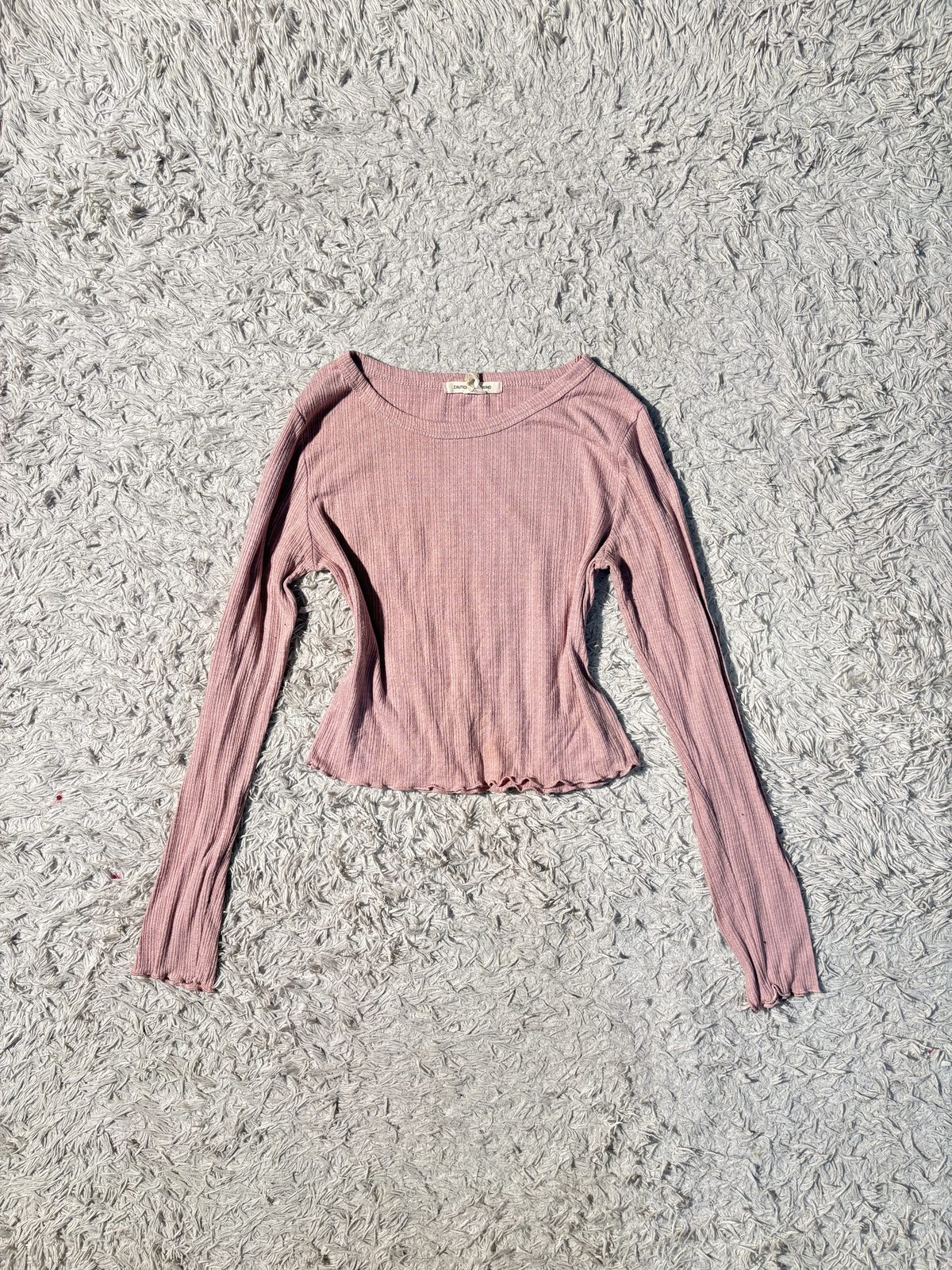
De-pill gently to refresh knits
Those little bobbles (“pills”) are normal on knits and easy to remove. Use a fabric comb or a battery pill shaver, work in one direction, and go slowly on delicate pieces. A freshly de-pilled jumper looks years younger in minutes.
Store it the right way
How you store clothes matters as much as how you wash them.
- Fold heavy knits rather than hanging them — the weight stretches the fabric over time.
- Keep everything somewhere dry and well-ventilated to avoid a musty smell (a sachet of baking soda nearby helps).
- Give pieces a little breathing room so they don’t crease permanently.
Repair, don’t replace
A loose thread, a tiny hole or a wobbly button is easily fixed — and fixing it is the most sustainable thing you can do. A few basic stitches, a spare button or a quick visible-mend turns a flaw into character. This is exactly why we love pre-loved: well-made clothes are built to be repaired, not thrown away.
A simple wash-day routine
Make caring for pre-loved pieces a habit, not a chore:
- Sort by colour and weight, and turn delicate pieces inside out.
- Wash cold on a gentle cycle with a mild detergent.
- Lay knits flat and hang sturdier tops to dry — away from heat and direct sun.
- Reshape while damp, then fold the heavy pieces and hang the rest.
Fixing three common problems
- Bobbling: glide a fabric comb or pill shaver over the surface in one direction until it’s smooth.
- Stretched necklines or cuffs: dampen the ribbing and dry it flat; gentle steam helps it spring back.
- Snags: never cut them. Use a needle to pull the loose loop through to the inside of the garment.
Store it well between seasons
Always clean pieces before they go away for the season — moths and stains are drawn to worn fibres. Fold knits into a breathable box with cedar or lavender, keep it somewhere dry, and give everything a little room so it doesn’t crease permanently. Your future self will thank you when the weather turns.
A quick fabric-by-fabric guide
Different fibres want slightly different care:
- Cotton & jersey tops: cold wash, low heat — sturdy and forgiving.
- Wool & knitwear: hand-wash or use a wool cycle, and always dry flat; never wring.
- Viscose & rayon: wash gently and reshape while damp, as they can stretch when wet.
- Embellished or printed pieces: turn inside out, use a mesh bag, and skip the dryer entirely.
When in doubt, treat a piece as more delicate than you think — it’s the safest default and your clothes will last longer for it.
Frequently asked questions
How do I get rid of pilling on a knit top?
Lay it flat and run a fabric comb or pill shaver across the surface in one direction. Work gently and the bobbles lift away, leaving the knit smooth again.
Can I machine-wash secondhand knitwear?
Most knits are fine on a cold, gentle cycle inside a mesh bag. For anything delicate or embellished, hand-washing is safest.
How do I keep colours from fading?
Wash inside out in cold water, skip the dryer, and dry out of direct sunlight. Less frequent washing helps most of all.
Look after your pieces and they’ll look after you. Caring for what you already own — and choosing pre-loved when you add to it — is the simplest sustainable habit there is.
Keep reading
How to Build a Capsule Wardrobe from Pre-Loved Pieces
A simple, step-by-step guide to building a versatile, sustainable capsule wardrobe almost entirely from secondhand tops, knits and dresses — on any budget.
30 May 2026 4 min read
Why One-of-a-Kind Pre-Loved Fashion Beats Fast Fashion
One-of-a-kind secondhand shopping means better quality, lower cost-per-wear, a style that's truly yours, and a far lighter footprint. Here's why it beats fast fashion.
18 May 2026 4 min read
7 Signs of Quality When Buying Secondhand Clothing
Learn how to judge fabric, stitching, seams and fit so every pre-loved piece you buy is a genuine keeper — a practical quality checklist you can use in seconds.
1 Jun 2026 4 min read